
PROJECT
Positiv.a
CUSTOMER
Positiv.a
SCOPE
Immersion and Multidimensional Research, Strategy, Positioning, Brand Architecture and Portfolio, Visual Identity, Product and Packaging Design.
How can an eco-activist brand gain traction in a market dominated by major players without reducing its essence to just another sustainability slogan?
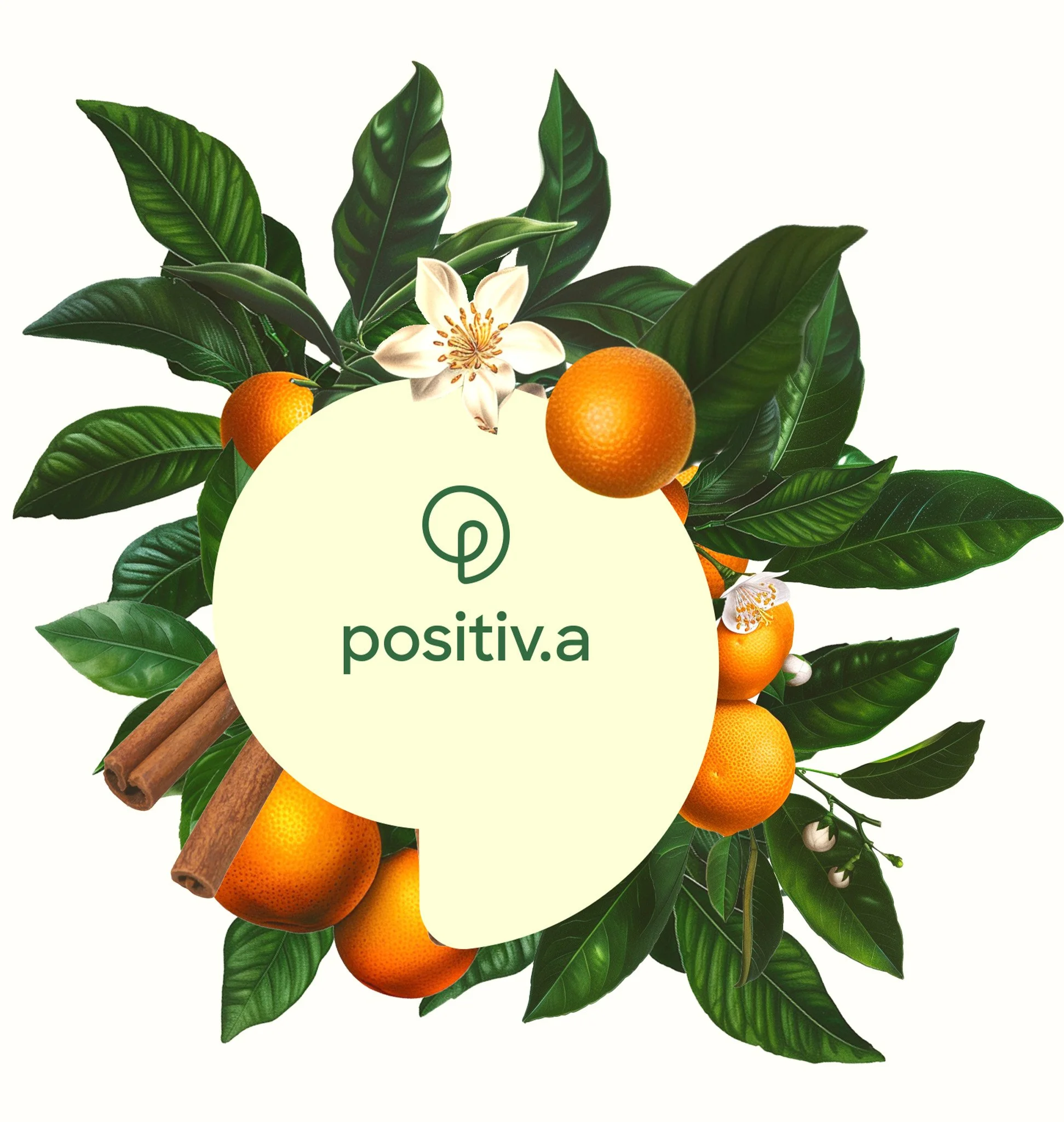
Founded in 2016, Positiv.a was created with circularity at the heart of its business and was the first Brazilian manufacturer of cleaning and self-care products to be certified by Sistema B.
As it expanded its portfolio and moved into the self-care and hygiene categories, the brand began competing with companies of a different scale, product range, and marketing clout. At the same time, it was entering a market saturated with environmental messaging, where simply being sustainable was no longer enough to make the brand an obvious choice.
Positiv.a needed to reach a larger audience without abandoning the eco-activist stance that had shaped its identity. It also needed to add a new dimension to the conversation: demonstrating that its products delivered performance, convenience, and value.
Context

Science, nature, and life
in one system.
Grow to Increase Our Impact
The challenge wasn’t to make Positiv.a more like the leading brands in order to compete with them. It was to understand what barriers were preventing a broader audience from choosing it and to address those barriers without losing its unique identity.
Our in-depth research revealed a key point: for Positiv.a, growth didn’t mean putting its purpose at the service of the business, but rather putting growth at the service of its purpose. The more people incorporated sustainable products into their daily lives, the greater the company’s positive impact would be.
Based on this understanding, we revised the brand architecture and product portfolio and reorganized the relationship between purpose and product. Sustainability remained the foundation, while effectiveness, practicality, simplicity, and accessibility came to more clearly address the concrete reasons for choosing a product in each category.
Inobi Approach
Growing with a Purpose.
The new architecture made the categories and product offerings easier to understand and established a clear hierarchy for product communication.
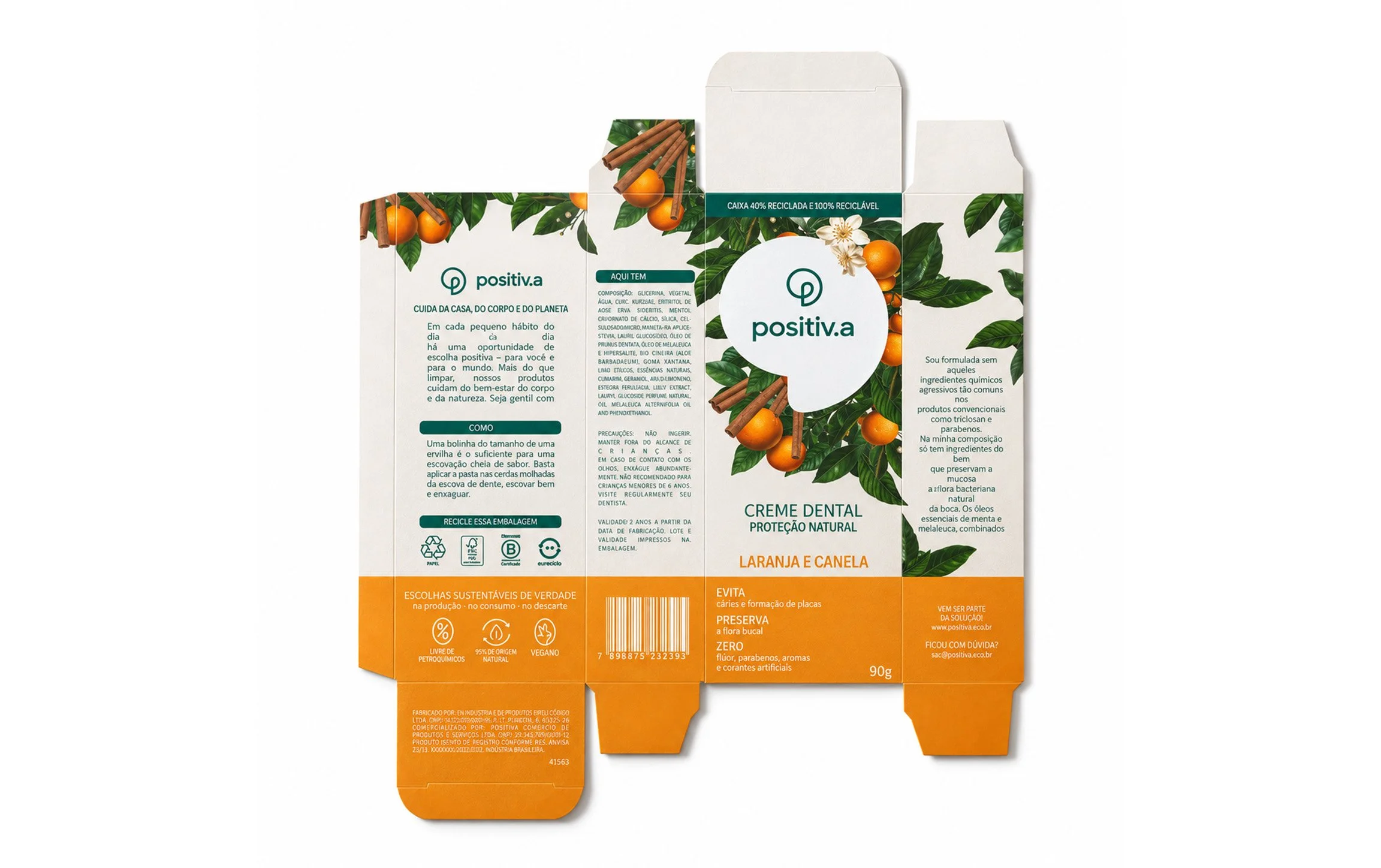
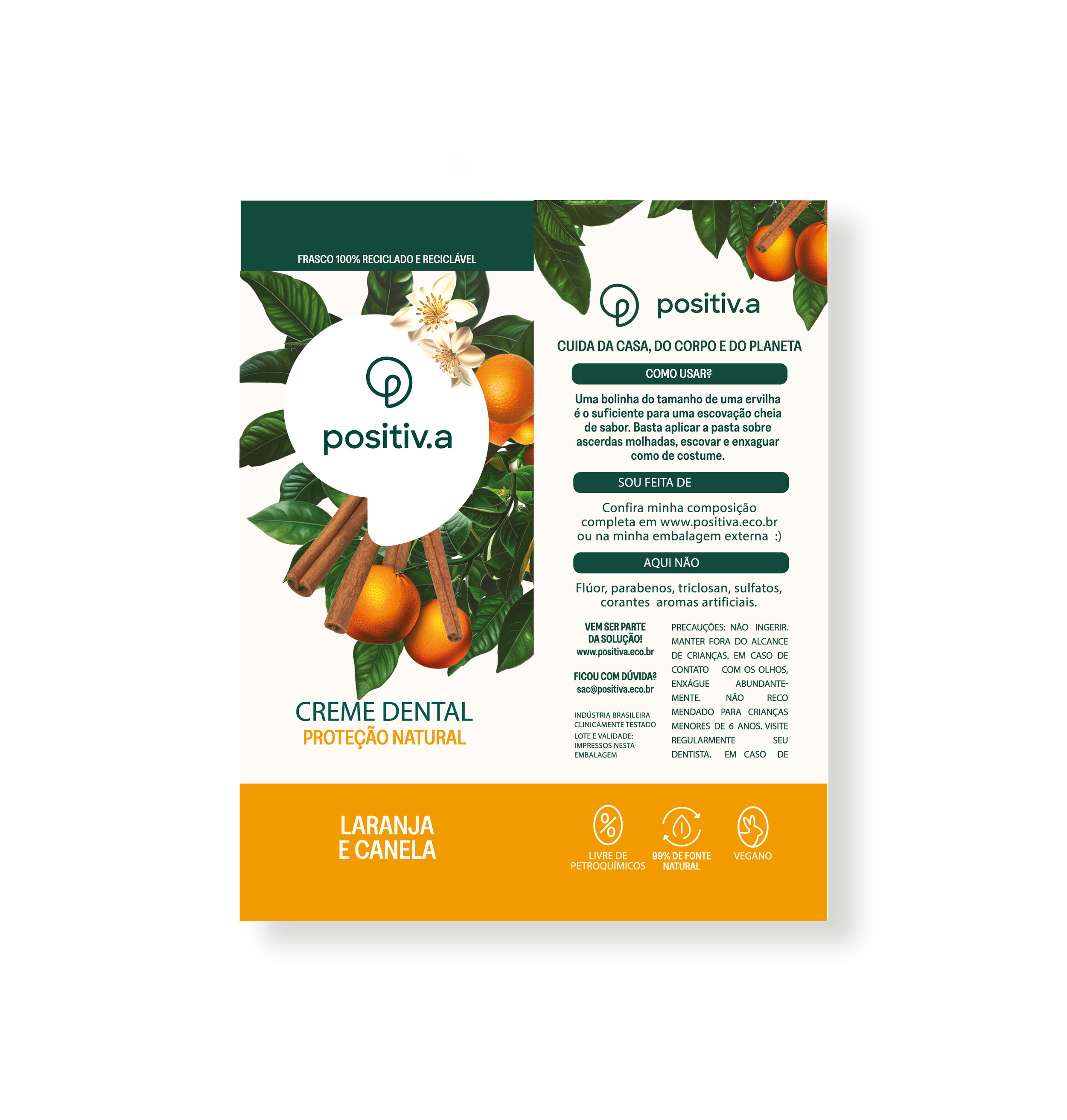
Instead of focusing the message solely on environmental differentiators, we organized sustainability, performance, benefits, and product attributes into different levels of information. This logic defined the hierarchy of information, claims, and category codes on the packaging.
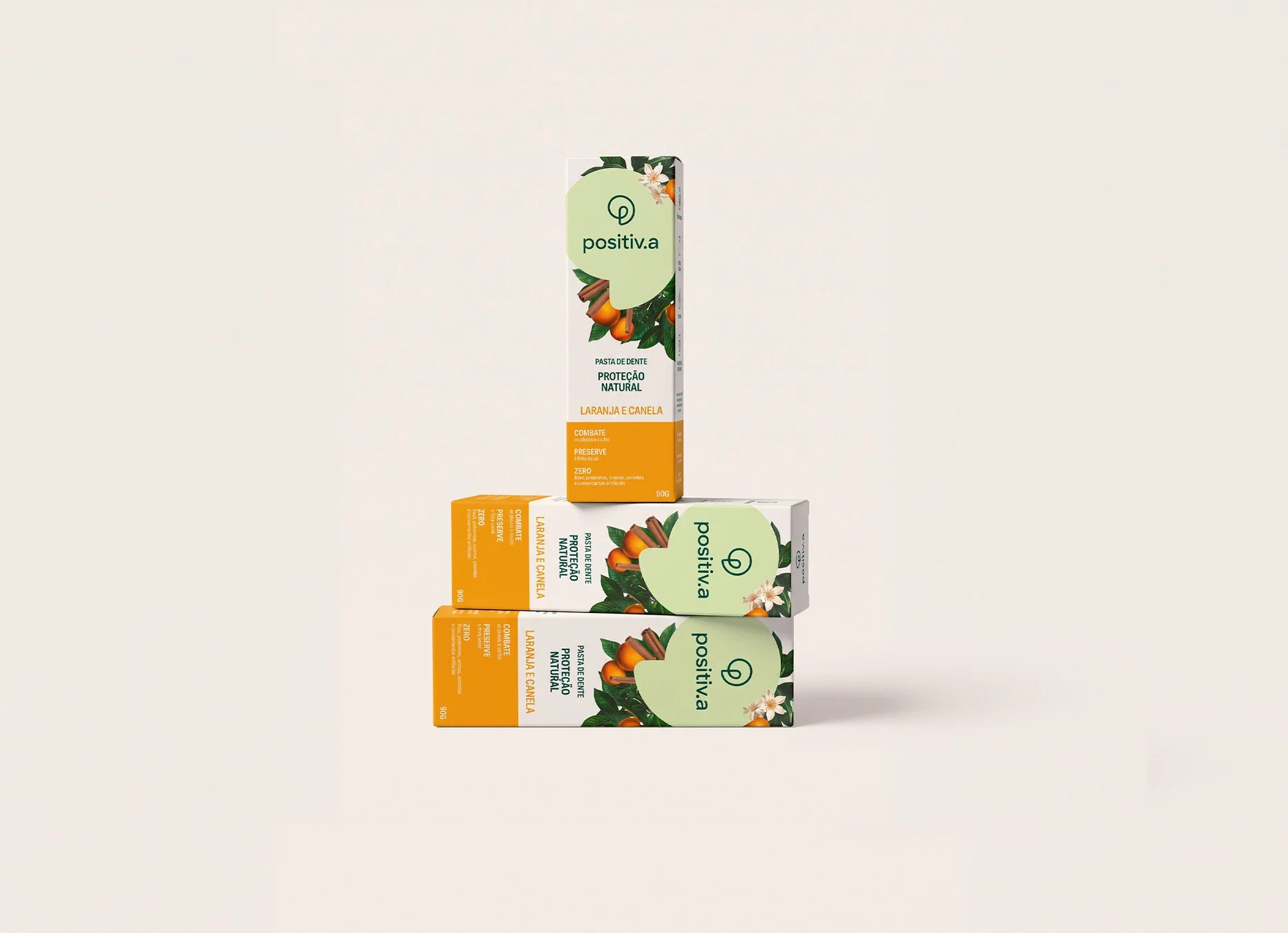
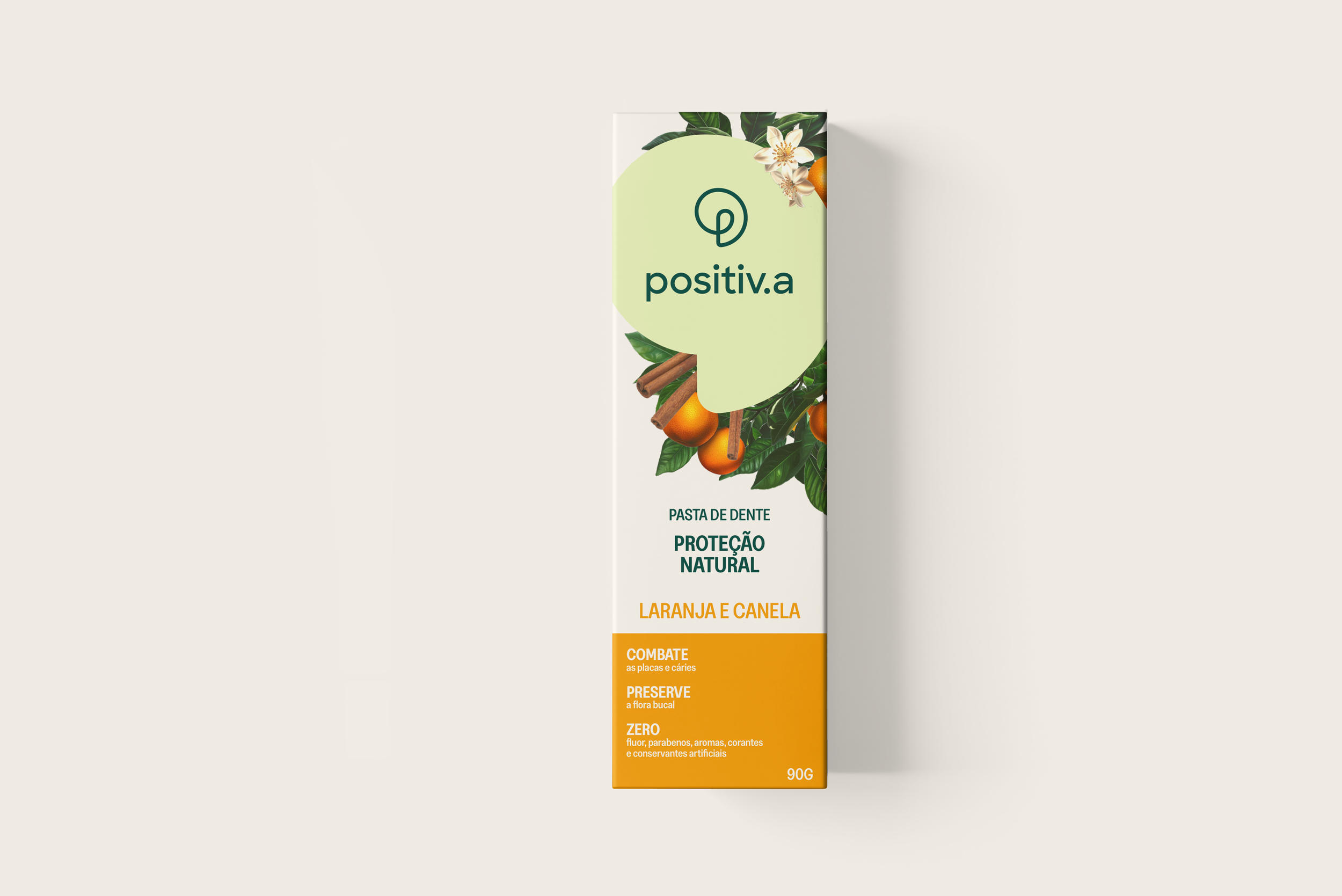
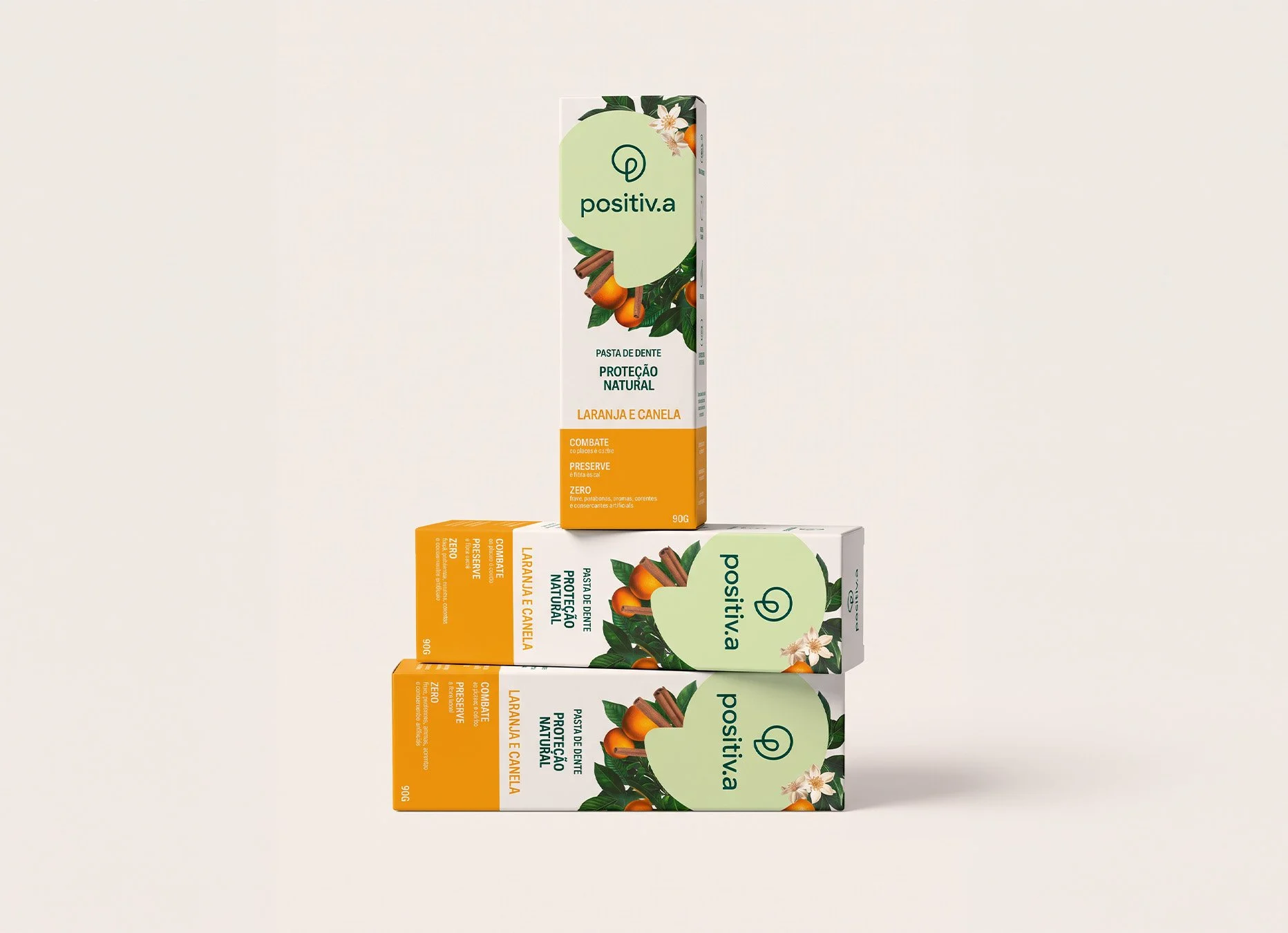
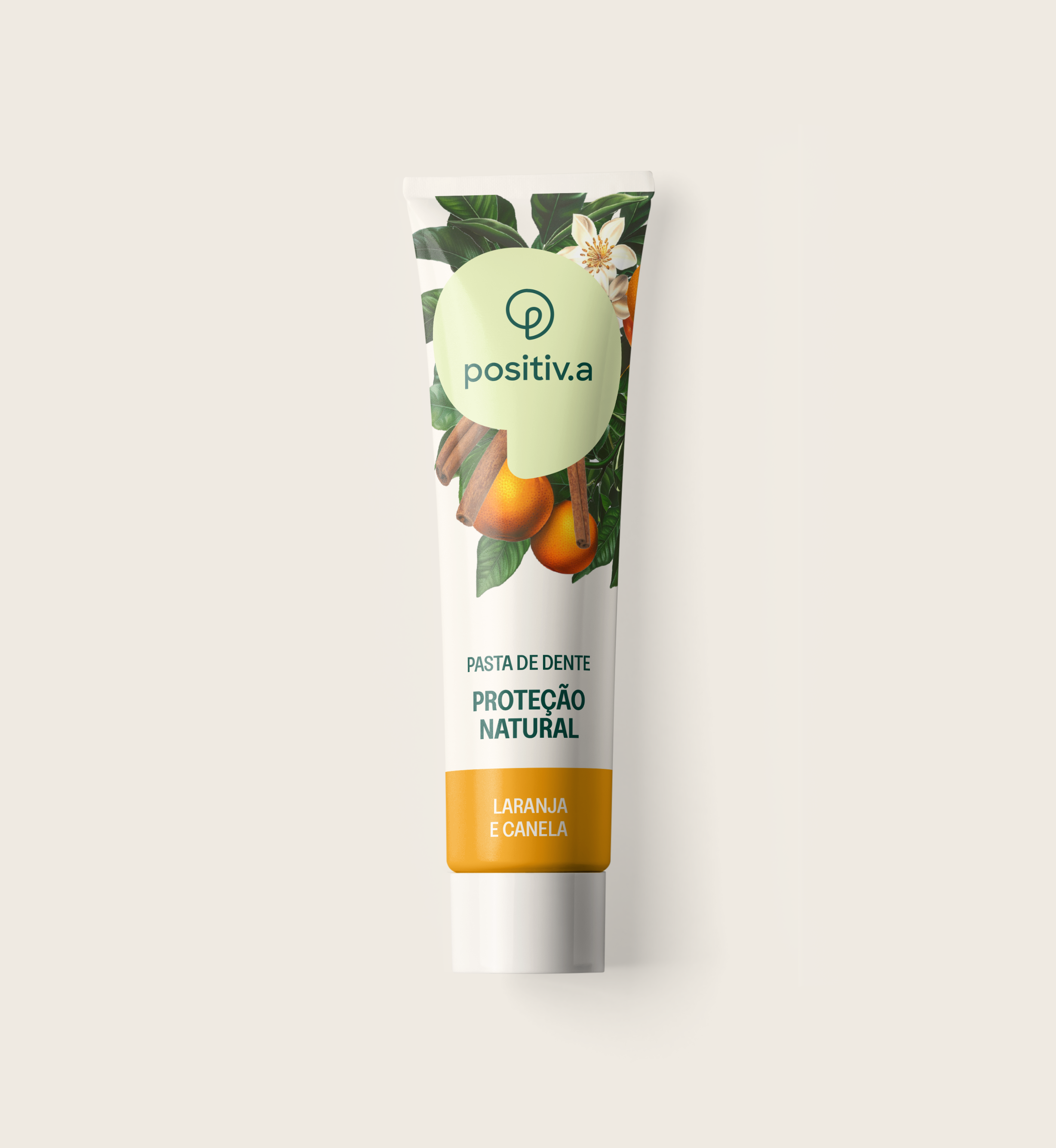
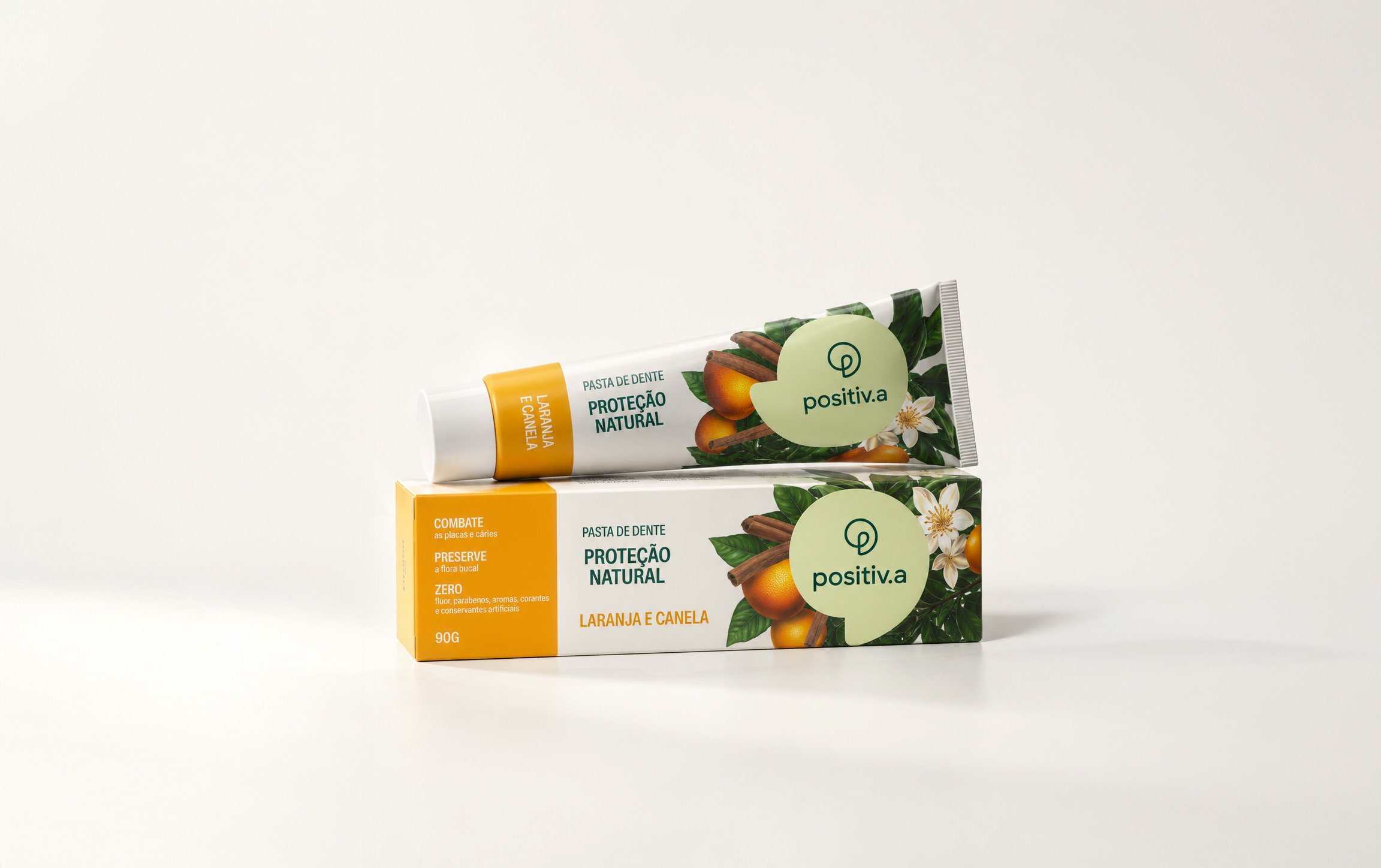
The graphic design emerged from this structure. We preserved Positiv.a’s recognizable and disruptive character while incorporating elements designed to improve readability, facilitate selection, and strengthen its presence on the shelf alongside major competitors.
System in Practice
Outcome
The new architecture has brought clarity to the portfolio and created a system capable of communicating purpose and performance within the same framework, making Positiv.a easier to understand and choose without diluting what sets it apart.
This change was also reflected in product performance. Following the label redesign, toothpaste sales nearly doubled, while fabric softener became the company’s second-most popular product in the laundry category.
As a result, this growth began to play a role directly linked to the brand’s purpose: bringing more sustainable choices to more people.
-
Creative Director: Filomena Padron
Art Direction at Butantan Institute: Rafaela Ranzani
Project Management: Ana Paula Rezende
Art Direction: Laila Rodrigues
Creative: Kauane Corrêa
Storytelling and Content: Silvio Fudissaku -
Photographs from the Butantan archive used as the foundation for building the language and visual identity.
-
Butantan Institute
Art Director at the Butantan Institute: Rafaela RanzaniDirector of Communications: Victor Ramos
Communications Manager: Bianca Poli
Credits